The terms are used interchangeably, but they are not the same. The short answer: all Persian rugs are Oriental rugs, but not all Oriental rugs are Persian.
What "Oriental" Means
"Oriental rug" is a trade term for handmade rugs from Asia, from Turkey and the Caucasus through Iran, Afghanistan, India, Pakistan, Nepal and China. It describes where a rug comes from, and also a style of dense, traditional ornament. See our entry on Persian and Oriental rugs.
What "Persian" Means
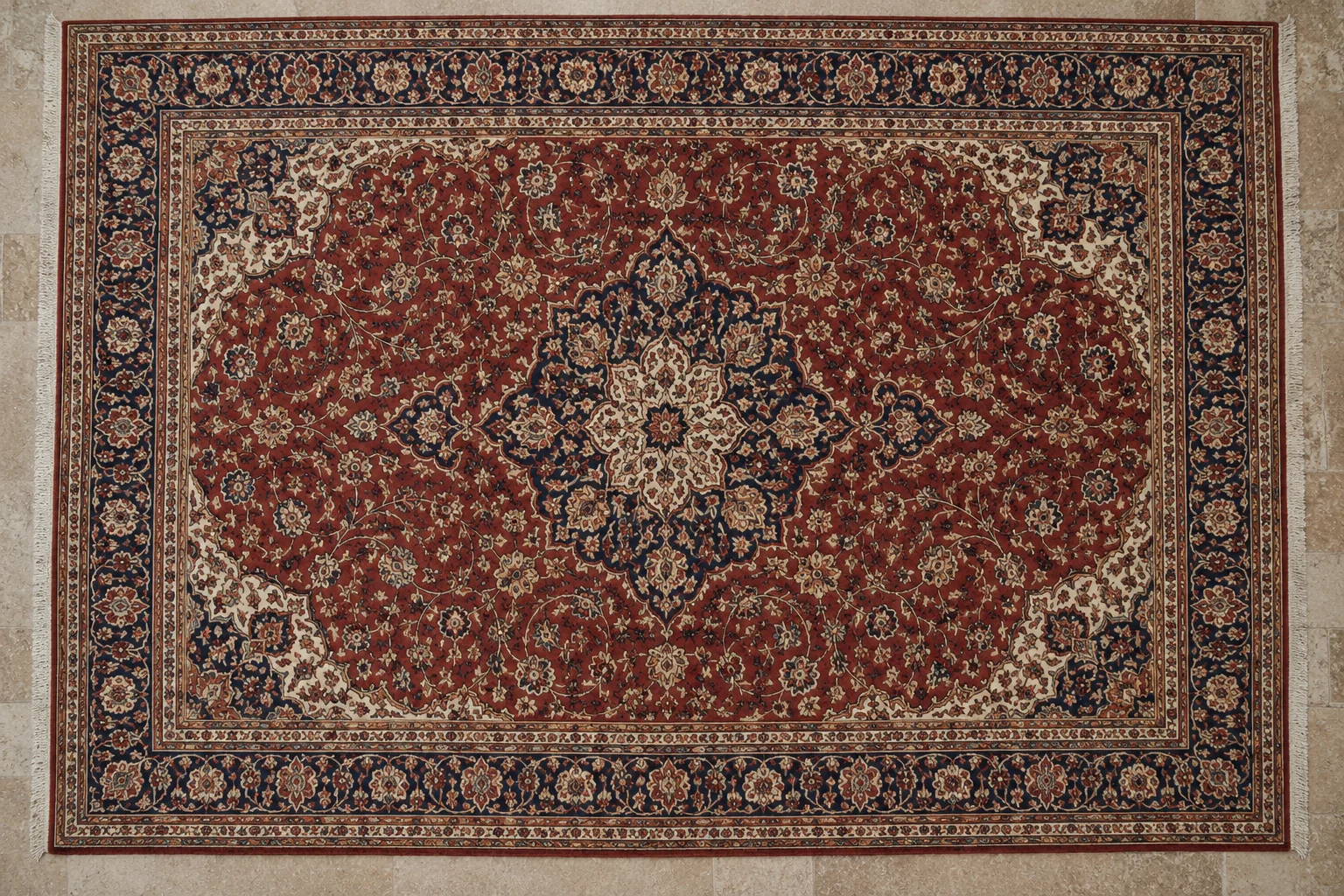
A true Persian rug is made in Iran, which was historically called Persia. Cities such as Tabriz, Isfahan, Kashan and Qom each have a recognisable design language and weave quality. Persian rugs are mostly hand-knotted in wool and silk.
Design Differences
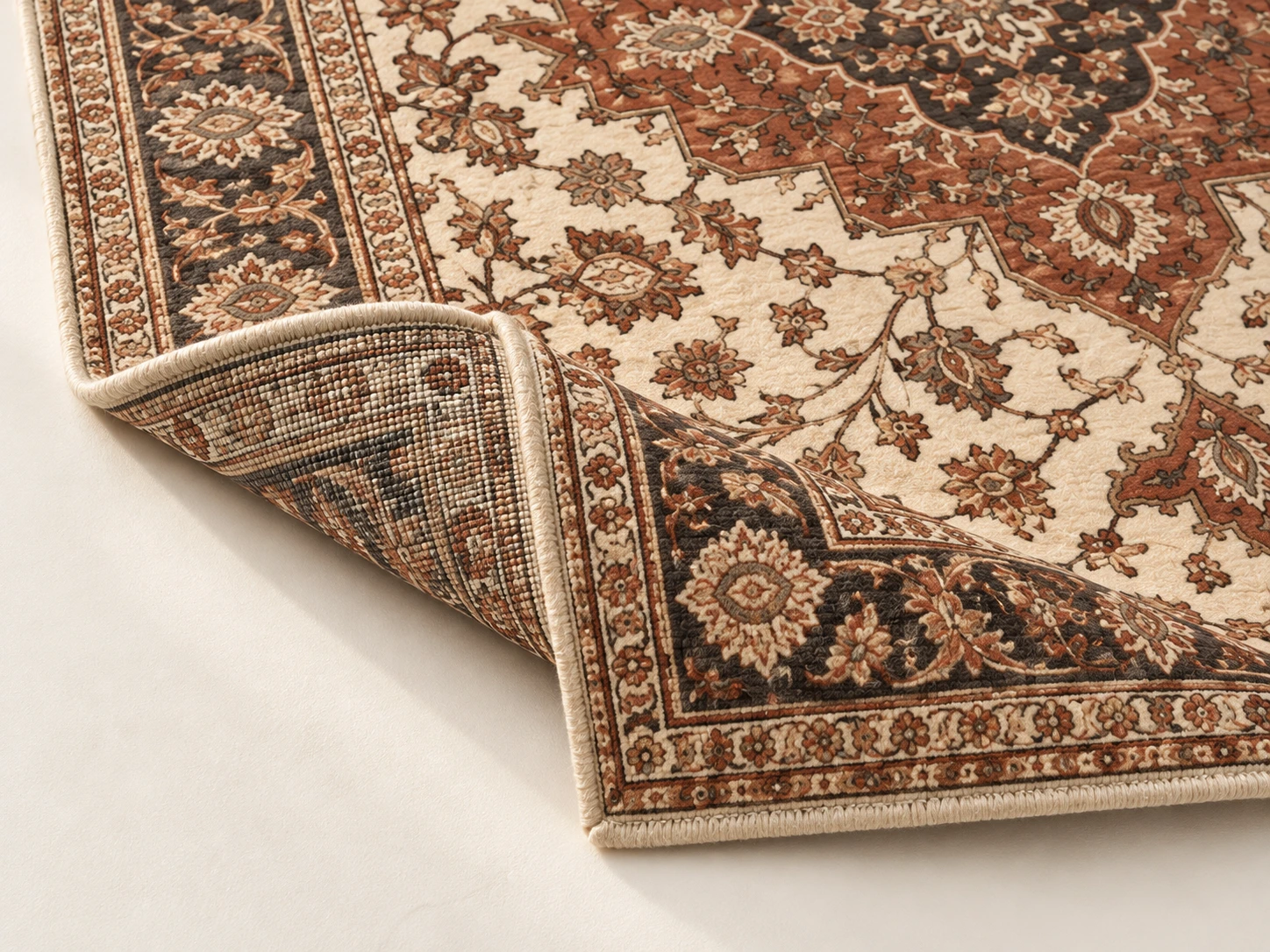
- Persian: curved, flowing floral designs, central medallions, intricate borders, and a wide palette.
- Other Oriental: more geometric designs, such as Turkish, Caucasian and Afghan tribal patterns, or Chinese designs with open space and symbolic motifs.
Persian-Style Rugs from India
India has a large trade in rugs made in the Persian style. These are woven in India, so they are Oriental rugs, but not Persian rugs. Many are made at a much lower cost and are a sound choice for retailers and buyers who like the look. Honest labelling matters: describe them as "Persian-style" or "Persian-inspired", never as Persian.
Material and Construction
Both are traditionally hand-knotted, with wool or silk pile on a cotton or wool foundation. Quality is measured by knot density, dye quality and the evenness of the weave. The country name on its own does not guarantee quality.
Which to Buy
If you want a genuine Persian rug, buy from a specialist with provenance. If you want the classic look at a friendlier price, an Indian hand-knotted or tufted rug in a traditional pattern is a good fit. See our Persian-style hand-knotted rugs.